
Best Sake & Umeshu in Malaysia: 8 Bottles Ranked
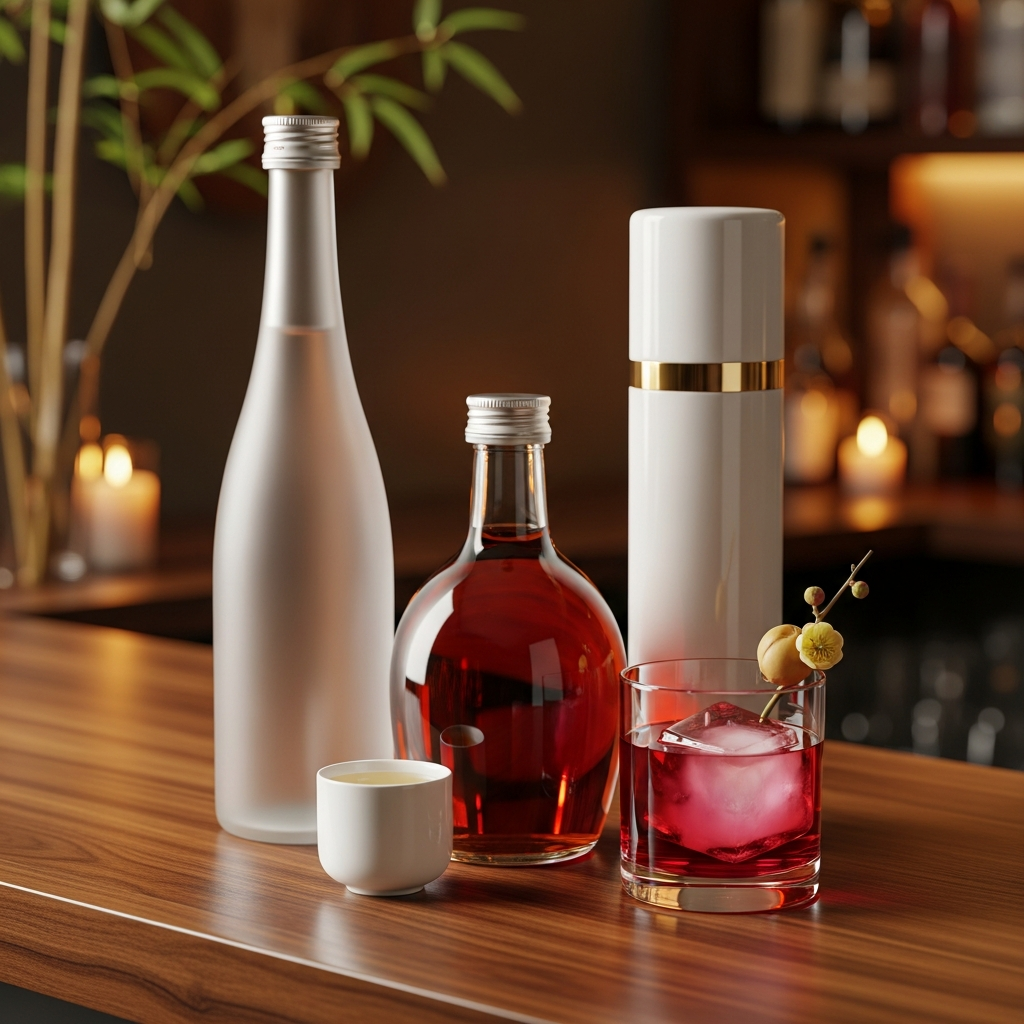
The best sake in Malaysia right now is the Hakutsuru Tokusen Junmai Ginjo (RM81), a smooth, food-friendly true sake that we reach for first when customers ask where to start. If you lean sweeter, the Ozeki Yuzu Umeshu (RM81) is our top umeshu pick, a citrus-bright plum liqueur that goes down easy over ice. The short version: sake is a brewed rice wine, dry and savoury, while umeshu is a plum-infused liqueur, sweet-tart and lower-key on the alcohol front.
This guide ranks 8 bottles from our Sake & Umeshu collection that we think are worth your ringgit, explains the difference between the two styles so you order the right one, and covers how to serve each so it actually tastes the way it should. Every bottle listed is available for same-day delivery across the Klang Valley when you order before 2PM on a working day, and everything we sell is 100% genuine, sourced straight from authorised distributors.
Key Takeaways
- Best sake overall: Hakutsuru Tokusen Junmai Ginjo, RM81, smooth and food-friendly.
- Best umeshu overall: Ozeki Yuzu Umeshu, RM81, citrus-forward and sessionable.
- Sake is brewed rice wine (dry, 13 to 16% ABV); umeshu is plum liqueur (sweet-tart, 8 to 15% ABV).
- In-stock picks in this guide run from RM81 to RM193; the RM62 entry umeshu is currently out of stock and restocking.
- Browse the full range in our Sake & Umeshu collection, 18 bottles and counting.
- Every bottle is 100% genuine, with same-day KL delivery before 2PM on working days.
Sake vs Umeshu: What’s the Difference?

Both come from Japan, both sit in the same fridge shelf at our warehouse, and both get lumped together by first-time buyers. But they are genuinely different drinks. Sake is a brewed rice wine, made by fermenting polished rice, and it is dry, savoury, and built to go with a meal. Umeshu is a liqueur, made by steeping green ume plums (and sometimes a base spirit) in alcohol and sugar over months, and it comes out sweet-tart, fruity, and easy to sip on its own.
The practical difference shows up in how you drink them. Sake is usually served chilled with sushi or grilled fish, though some richer junmai styles work warm on a cooler evening. Umeshu is almost always served over ice, topped with soda or tonic, and it works as well before dinner as it does after. If you are new to Japanese drinks, umeshu is the friendlier on-ramp. If you already like a dry white wine, true sake will feel like familiar territory.
| Style | What It Is | Typical ABV | How to Serve | Best For |
|---|---|---|---|---|
| Sake | Brewed rice wine, dry and savoury | 13% to 16% | Chilled, or warm for some junmai styles | Pairing with food, sushi and izakaya nights |
| Umeshu | Plum-infused liqueur, sweet-tart | 8% to 15% | Over ice, with soda or tonic | Aperitifs, sessionable sipping, dessert |
The 8 Best Sake and Umeshu Bottles
We picked this 8 from across our Sake & Umeshu collection to cover both styles honestly, from a top-shelf daiginjo to an everyday plum liqueur. In-stock picks here run from RM81 to RM193.
| # | Bottle | Style | Size | Price | Best For |
|---|---|---|---|---|---|
| 1 | Hakutsuru Tokusen Junmai Ginjo | True sake | 720ML | RM81 | Best all-rounder / top sake pick |
| 2 | Asahi Shuzo Kubota Senju | True sake (dry honjozo) | 720ML | RM115 | Dry-sake lovers |
| 3 | Hakutsuru Sho Une Junmai Daiginjo | True sake (daiginjo) | 720ML | RM116 | Special occasions / top shelf |
| 4 | Hakutsuru Umeshu (currently out of stock) | Umeshu | 500ML | RM62 | Best-value entry (restocking) |
| 5 | Ozeki Yuzu Umeshu | Umeshu (yuzu) | 500ML | RM81 | Everyday crowd-pleaser / top umeshu pick |
| 6 | Ozeki Kanjuku Umeshu | Umeshu (ripe plum) | 700ML | RM100 | Richest plum flavour |
| 7 | Suntory Umeshu Tarushiage Yamazaki Taru Blend | Umeshu (cask-aged) | 750ML | RM193 | Premium splurge / Yamazaki-cask |
| 8 | Yatsushika Kabosu Liqueur | Citrus liqueur | 640ML | RM110 | Something different |
1. Hakutsuru Tokusen Junmai Ginjo (RM81)
If you only buy one sake this year, make it this one. It is our best all-rounder and the bottle we point beginners and regulars towards alike.
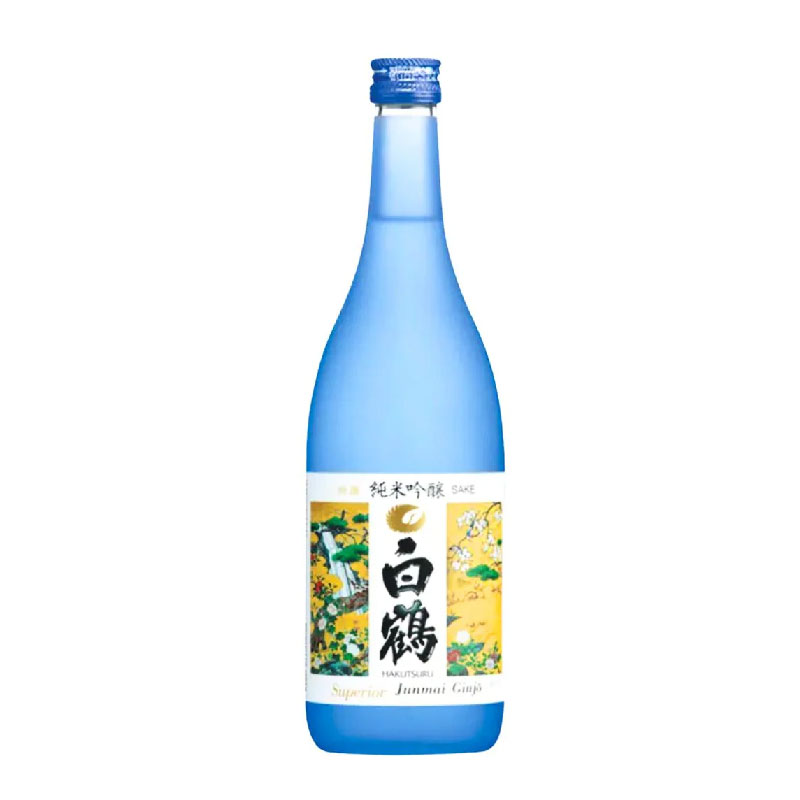
The Hakutsuru Tokusen Junmai Ginjo (720ML, RM81) is a junmai ginjo, meaning it is brewed from rice alone with no added distilled alcohol, and polished to a level that brings out a lighter, fruitier profile. Serve it well chilled alongside sashimi, grilled fish, or really any Japanese meal you would order at your favourite izakaya. It is confirm a safe bet if you are buying sake for the first time.
Tasting Notes: Hakutsuru Tokusen Junmai Ginjo
Nose: Delicate pear and steamed rice, with a faint floral lift.
Palate: Clean and smooth, light melon and rice sweetness with a gentle acidity.
Finish: Short, crisp, and refreshing, leaves the palate ready for the next bite.
2. Asahi Shuzo Kubota Senju (RM115)
Kubota is one of the more respected names among sake drinkers who already know what they like, and Senju is the entry point into that range.
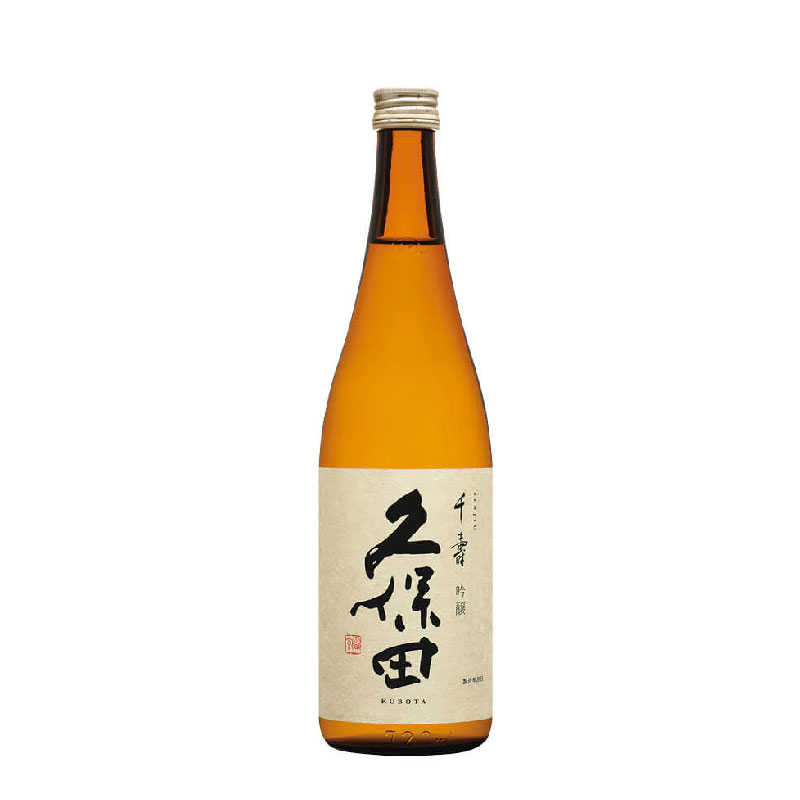
The Asahi Shuzo Kubota Senju (720ML, RM115) is a dry honjozo-style sake with a small amount of distilled alcohol added, a technique that sharpens the finish and makes it food-friendlier than a pure junmai. If you find most sake a bit too soft, this is the bottle to hand you. It holds up well warm too, which most delicate ginjo styles cannot say.
Tasting Notes: Asahi Shuzo Kubota Senju
Nose: Clean rice and a light mineral edge, restrained rather than fruity.
Palate: Dry and crisp, with a savoury, almost umami-like depth.
Finish: Long and dry, well suited to grilled and salty dishes.
3. Hakutsuru Sho Une Junmai Daiginjo (RM116)
This is the one to bring when you want to impress someone, a proper daiginjo at a price that does not require a special occasion budget.
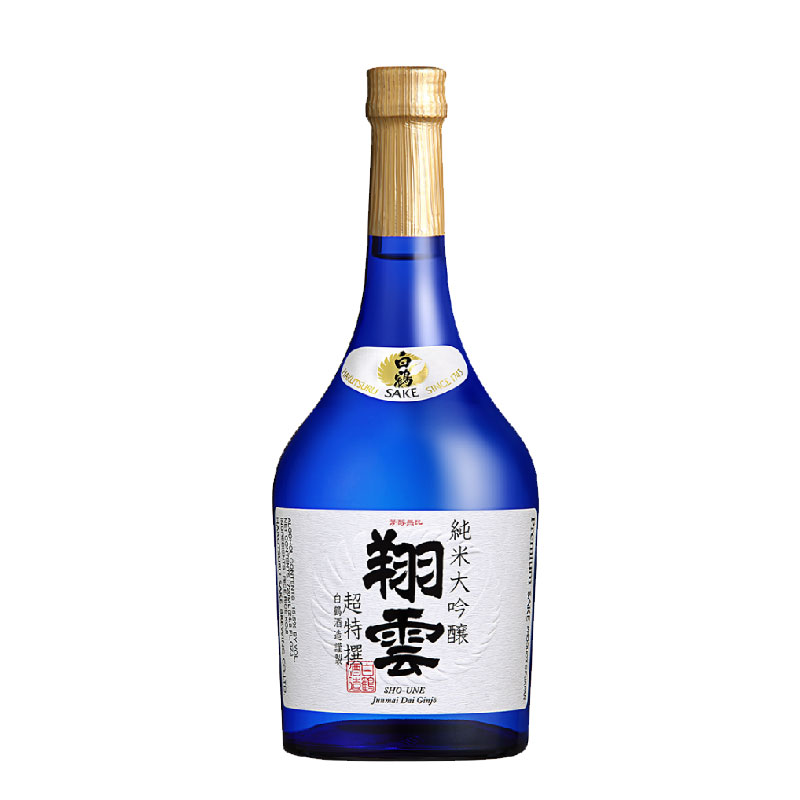
The Hakutsuru Sho Une Junmai Daiginjo (720ML, RM116) is polished further than a standard ginjo, which is what gives daiginjo styles their signature elegance and clarity. It is a top-shelf pick for a dinner party or a gift, and it deserves a proper sake cup rather than a shot glass. Boleh tahan value for a daiginjo at this price point.
Tasting Notes: Hakutsuru Sho Une Junmai Daiginjo
Nose: Ripe pear and white flower, elegant and fragrant.
Palate: Silky and refined, delicate fruit with a clean, gentle sweetness.
Finish: Smooth and lingering, no harsh edges at all.
4. Hakutsuru Umeshu (RM62, currently out of stock)
This is normally our best-value entry umeshu, and demand for it has been steady enough that we are currently restocking. We are keeping it in this guide because it is worth waiting for.
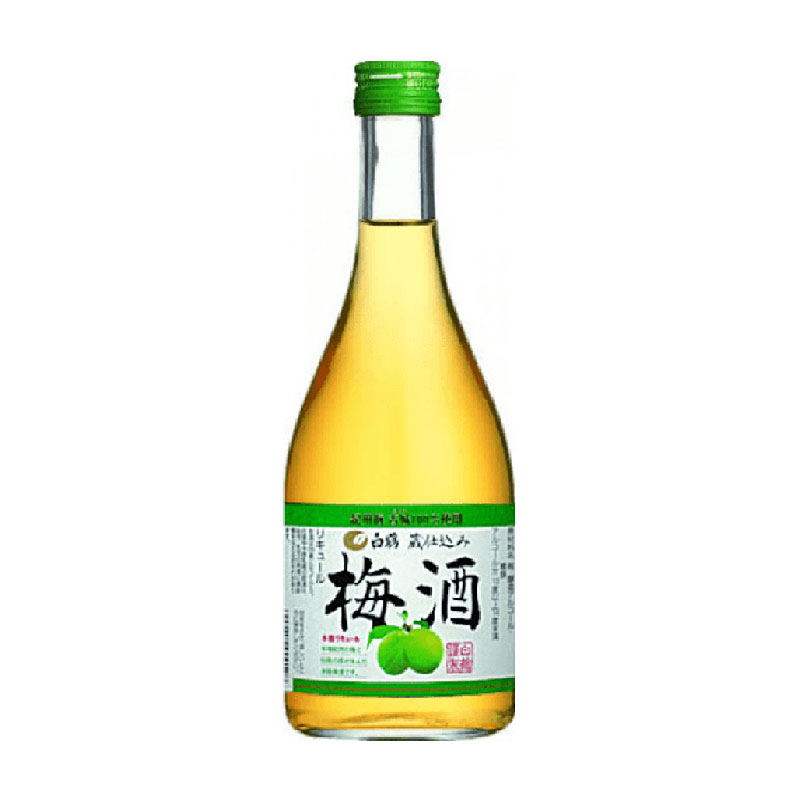
The Hakutsuru Umeshu (500ML, RM62) is currently out of stock while we restock, so it is not buyable today, but it is the bottle we recommend once it is back for anyone who wants a straightforward, classic plum umeshu without paying for extra flourishes. Message Joyce on WhatsApp if you want to be notified when it lands.
Tasting Notes: Hakutsuru Umeshu
Nose: Ripe plum and a touch of almond sweetness.
Palate: Sweet-tart and syrupy, classic stewed plum character.
Finish: Warming and moderately sweet, softens nicely with soda.
5. Ozeki Yuzu Umeshu (RM81)
This is our top umeshu pick, and it is usually the first bottle we recommend to anyone who says they do not really drink sake but wants to try something Japanese.
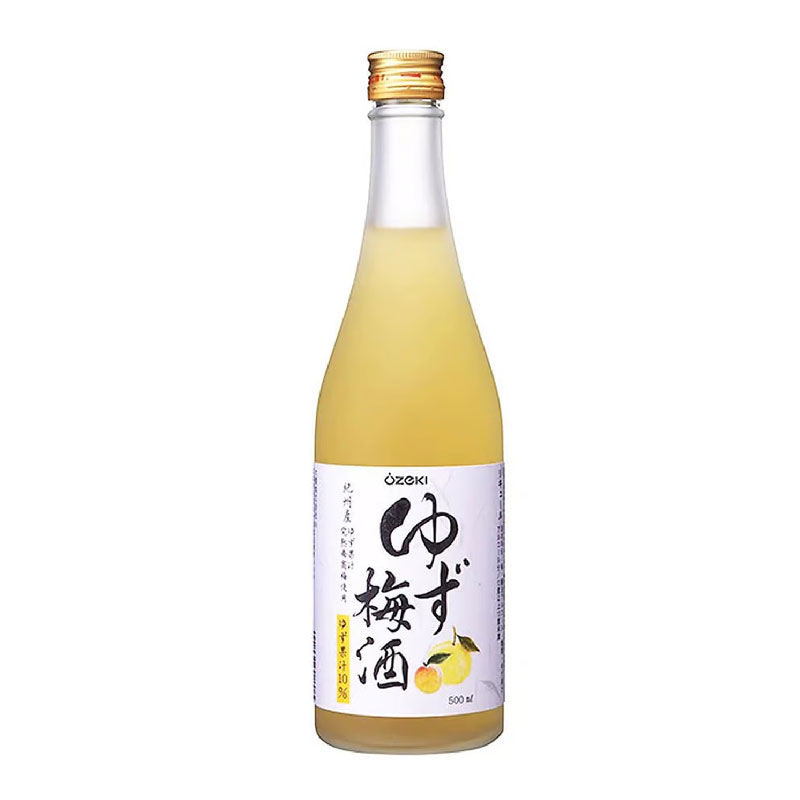
The Ozeki Yuzu Umeshu (500ML, RM81) blends plum with yuzu citrus, which cuts through the sweetness and makes it far more sessionable than a straight umeshu. Pour it over ice with soda and a squeeze of lime and it is shiok on a hot KL evening. It is also the umeshu we would pick first for a house party, since it plays well with people who do not usually drink Japanese spirits.
Tasting Notes: Ozeki Yuzu Umeshu
Nose: Bright citrus zest over ripe plum.
Palate: Tart yuzu upfront, sweet plum underneath, well balanced.
Finish: Clean and refreshing, not cloying at all.
6. Ozeki Kanjuku Umeshu (RM100)
“Kanjuku” means fully ripened, and this umeshu earns the name. It is the richest, most plum-forward bottle on this list.
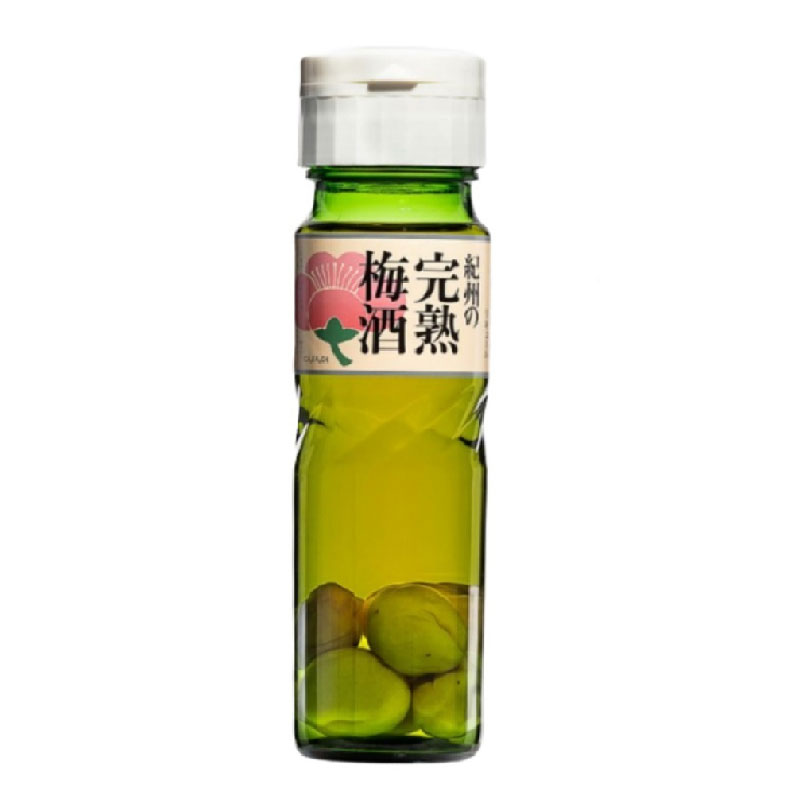
The Ozeki Kanjuku Umeshu (700ML, RM100) is made with fully ripened plums rather than the green ume used in most umeshu, which gives it a deeper, almost jammy sweetness. It is a lovely pour on its own after dinner, over ice, no mixer needed. If you already know you like umeshu and want to trade up from an everyday bottle, this is the move.
Tasting Notes: Ozeki Kanjuku Umeshu
Nose: Deep, jammy stewed plum, almost dessert-like.
Palate: Rich and full, ripe plum sweetness with real depth.
Finish: Long, sweet, and warming, best sipped slowly.
7. Suntory Umeshu Tarushiage Yamazaki Taru Blend (RM193)
This is our premium splurge pick, and it is the one that gets Japanese-whisky fans curious about umeshu for the first time.
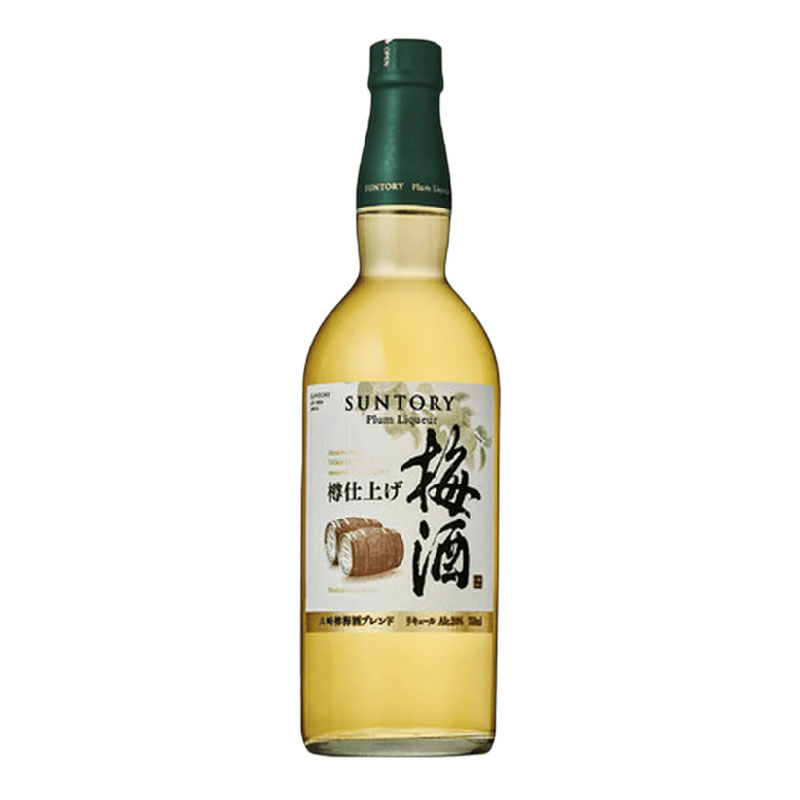
The Suntory Umeshu Tarushiage Yamazaki Taru Blend (750ML, RM193) is aged in casks that previously held Suntory’s Yamazaki whisky, according to Suntory, which pulls in warm oak, vanilla, and a whisky-adjacent depth that most umeshu simply do not have. If you already love our Japanese-whisky picks, this bottle sits right at that intersection. It is terror sipped neat over one big ice cube, more like a dessert whisky than a typical umeshu.
Tasting Notes: Suntory Umeshu Tarushiage Yamazaki Taru Blend
Nose: Ripe plum layered with warm oak and vanilla.
Palate: Rich plum sweetness meeting a whisky-like woodiness, complex for the style.
Finish: Long, warm, and slightly smoky, a genuine sipper.
8. Yatsushika Kabosu Liqueur (RM110)
Let us be upfront: this last one is not a sake or an umeshu. It is a citrus liqueur, and we are including it as a bonus for anyone who wants to try something different.
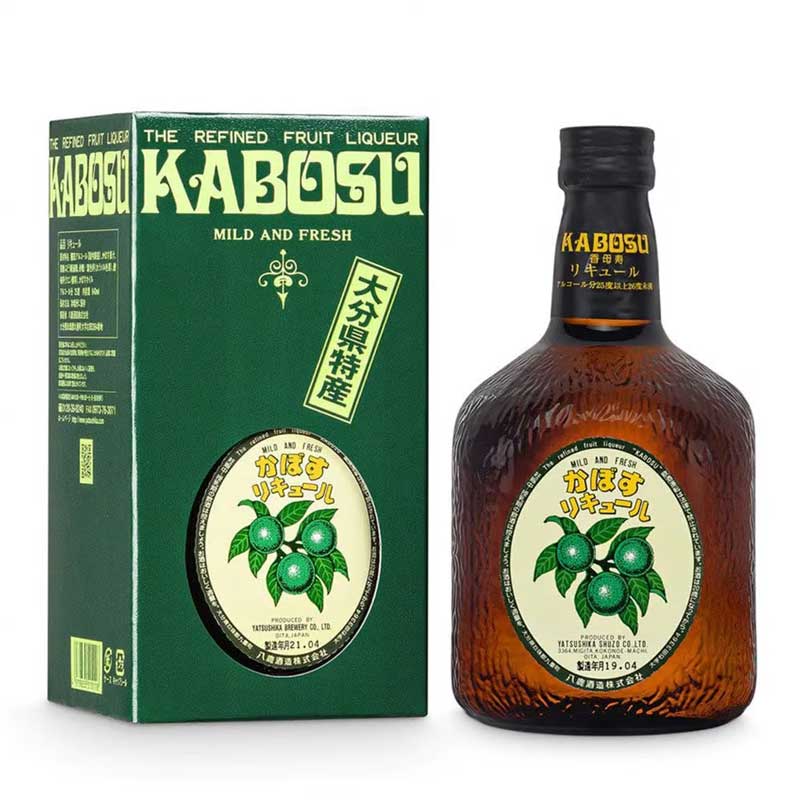
The Yatsushika Kabosu Liqueur (640ML, RM110) is made from kabosu, a Japanese citrus fruit similar to a tart lime, and it makes a genuinely lobang highball, sharp and refreshing with soda and ice. If your table is already ordering umeshu, this is a great palate cleanser to have alongside it, one that skips the plum sweetness entirely.
Tasting Notes: Yatsushika Kabosu Liqueur
Nose: Sharp, zesty citrus, closer to lime than lemon.
Palate: Tart and bright, minimal sweetness, very refreshing.
Finish: Clean and crisp, an easy palate reset.
How to Serve Sake and Umeshu
Sake and umeshu are not interchangeable when it comes to serving, and getting it right makes a real difference. Ginjo and daiginjo sakes, like our #1 and #3 picks, are best served chilled in a small ceramic cup or a wine glass, cold enough to keep their delicate fruit and floral notes crisp. Dry honjozo styles, like the #2 Kubota Senju, can handle being served warm too, which softens the alcohol and brings out a rounder, savoury character.
Umeshu is a different game entirely. Pour it over a generous amount of ice in a rocks glass and top it with soda water for a classic umeshu highball, light, fizzy, and easy to keep sipping through the evening. Prefer something a bit more herbal? Try it with tonic water instead of soda, the bitterness balances the plum sweetness nicely. For a richer umeshu like our Ozeki Kanjuku pick, skip the mixer altogether and drink it neat over one large ice cube, closer to how you would treat a dessert wine.
What to Pair With Sake and Umeshu
Sake’s dry, savoury profile makes it a natural match for Japanese staples: sashimi, grilled fish, tempura, and miso-based dishes all work beautifully with a chilled junmai ginjo. Umeshu, being sweeter and more forward, pairs well with lighter bites and desserts, think grilled skewers, edamame, or a simple fruit plate to close the night.
Here in Malaysia, we would also point you towards our Malaysian-Chinese food pairing guide for ideas on matching sake and umeshu with local favourites rather than only Japanese fare. If your table is doing steamboat, our steamboat pairing guide covers which bottles work best with a hotpot spread. If the Suntory Yamazaki-cask umeshu piqued your interest in Japanese whisky, our Hibiki vs Yamazaki guide is the natural next stop.
Klang Valley delivery: RM25 flat rate, same-day on orders placed and paid before 2PM on working days (excluding Sundays and public holidays). Beyond the Klang Valley: RM30 across Peninsular Malaysia, 2 to 5 working days. Free delivery on orders over RM1,250 within Peninsular Malaysia.
Authenticity: Every bottle is 100% genuine, original, and authentic, sourced directly from authorised distributors. Questions before you order? Message Joyce on WhatsApp at +60 16-9562 840, Monday to Saturday, 9AM to 5PM.
✓ 100% Genuine
Sourced from authorised distributors
✓ Same-Day KL Delivery
Order before 2PM on working days
✓ Trusted Since 2019
Authentic spirits, every order
Frequently Asked Questions
What is the best sake in Malaysia?
Our top pick is the Hakutsuru Tokusen Junmai Ginjo (RM81). It is a junmai ginjo, brewed from rice alone and polished for a lighter, fruitier profile, which makes it approachable for beginners and satisfying for regulars. Serve it chilled with sashimi, grilled fish, or any Japanese meal.
What is the difference between sake and umeshu?
Sake is a brewed rice wine, dry and savoury, typically 13% to 16% ABV, best served chilled or occasionally warm with food. Umeshu is a plum-infused liqueur, sweet-tart and fruity, typically 8% to 15% ABV, best served over ice with soda or tonic as an aperitif or after-dinner sip.
Is umeshu very sweet?
Umeshu is sweeter than sake, but the intensity varies by bottle. A yuzu umeshu like our Ozeki Yuzu pick balances the sweetness with citrus tartness, while a richer style like Ozeki Kanjuku leans fuller and more dessert-like. Pouring it over ice with soda or tonic also cuts the sweetness and makes it more sessionable.
Should sake be served warm or cold?
It depends on the style. Delicate ginjo and daiginjo sakes, like our Tokusen Junmai Ginjo and Sho Une Junmai Daiginjo picks, should be served chilled to preserve their fruit and floral notes. Some drier honjozo styles, like Kubota Senju, hold up well served warm, which softens the alcohol and brings out a rounder character.
Can I get sake delivered same-day in KL and PJ?
Yes. We offer same-day delivery across the Klang Valley, including KL and PJ, on orders placed and paid before 2PM on working days, excluding Sundays and public holidays. Delivery is RM25 flat within the Klang Valley. Message Joyce on WhatsApp if you have questions before you order.
Are your Japanese imports genuine?
Yes, 100% genuine, original, and authentic. Every bottle we sell, including all the sake and umeshu in this guide, is sourced directly from authorised distributors, and we have been serving Malaysian customers this way since 2019.
Sources
- Japan Sake and Shochu Makers Association: definitions and production background for sake and umeshu.
- Suntory official umeshu page: substantiates the Yamazaki-cask ageing claim for the Tarushiage Yamazaki Taru Blend.
Last updated July 2026.
Disclaimer: The content of this article is provided for general informational purposes only and does not constitute legal, health, or professional advice. Alcohol is sold strictly to non-Muslim customers aged 21 and above, for delivery within West Malaysia (Peninsular Malaysia) only. Prices, availability, and bottling details are subject to change without notice. Nothing in this article should be read as a health or medical claim about any product. Please drink responsibly.


![Chandon Brut Rosé Impérial Champagne [750ML]](https://shopmrchow.com/wp-content/uploads/2025/07/wp-image-mrchowliquorstore-2031.jpg)

![Tanqueray No.Ten Gin [700ML]](https://shopmrchow.com/wp-content/uploads/2026/08/wp-image-mrchowliquorstore-106.jpg)
![Bacardi Carta Oro Rum [750ML]](https://shopmrchow.com/wp-content/uploads/2026/08/Bacardi-Carta-Oro.jpg)